Reliable Leak Detection: Safeguard Your Home Against Hidden Water Damage
Proper leak detection serves a vital purpose in keeping a home in good condition. Hidden water damage can result in significant repair costs and health hazards. Residents frequently fail to notice initial signs, like unexplained discoloration or lingering musty scents. By identifying these signals and applying sophisticated detection strategies, they can preserve their property's condition. However, many remain unaware of the most effective tools and strategies available. What actions can be implemented to keep a home secure from these unseen risks?
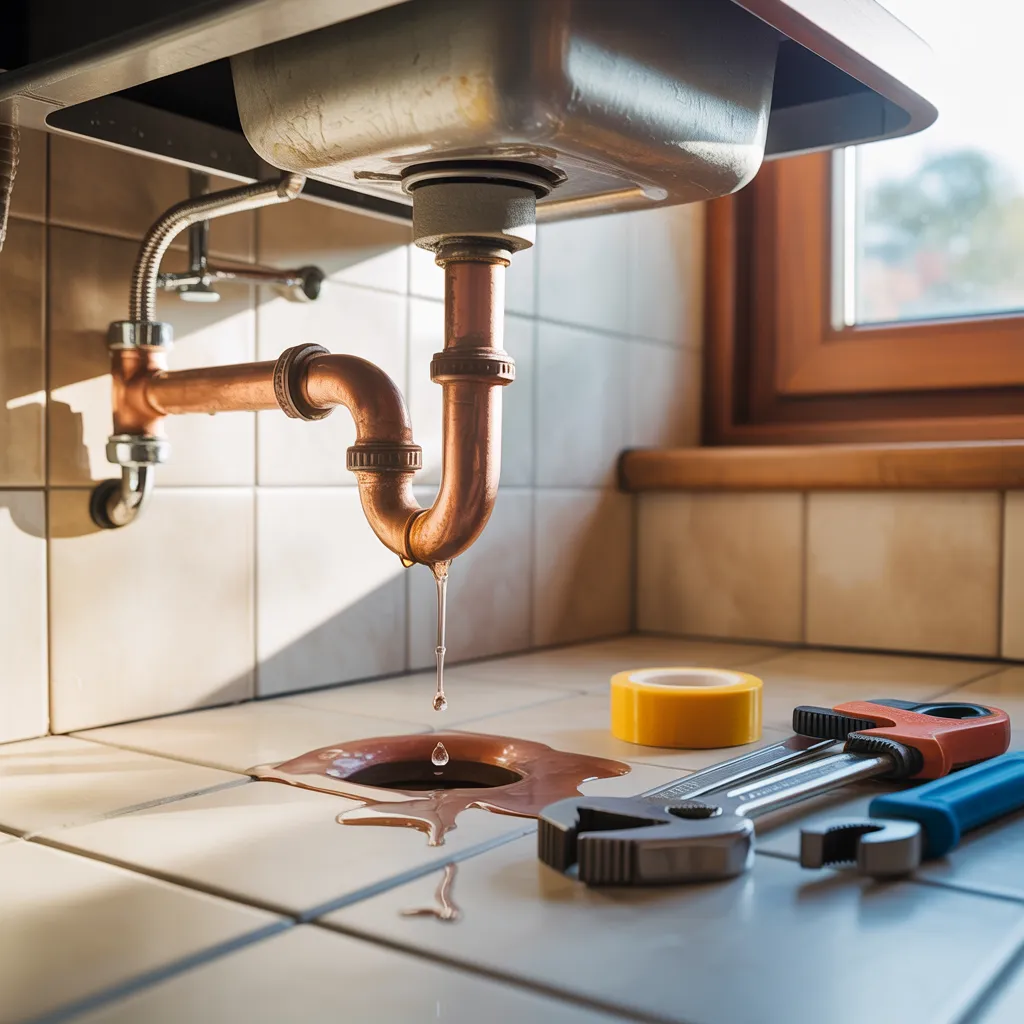
Why You Should Prioritize Leak Detection
Why is leak detection so important for homeowners? It is essential for homeowners to understand that undetected leaks can lead to serious structural damage and expensive repairs. Water penetration can weaken the integrity of walls, foundations, and electrical systems, resulting in unsafe living conditions. Moreover, persistent moisture can encourage mold proliferation, which creates significant health concerns for those living in the home.
Committing to proactive leak detection secures the home and simultaneously boosts property value. With early identification of leaks, homeowners are able to reduce potential damage, thus preventing the costly expenses tied to major repairs. Consistent inspections and sophisticated detection methods can expose underlying issues that could easily be overlooked. In the end, focusing on leak detection ensures the durability of the home and promotes a safer, healthier living space. By staying proactive, homeowners can safeguard their investment and enjoy peace of mind.
Important Warning Signs of Water Leaks You Should Know
Even though water leaks can start out small, their indicators can grow more obvious if ignored. Property owners ought to watch carefully for a number of telltale signs of water leaks. A common indicator includes water stains appearing on ceilings or walls, which can manifest as brown or yellowish marks. Moreover, damp or stained areas on the floor can point to underlying moisture problems beneath.
Another red flag is the presence of dripping or running water sounds when every fixture has been shut off. A sudden increase in the water bill, with no clear explanation, can also signal concealed leaks. Mold and mildew development in areas like bathrooms or basements is another critical sign of ongoing moisture problems. Lastly, distorted or buckled flooring may indicate prolonged water exposure. By recognizing these signs early, homeowners are able to take preventive steps to prevent significant damage and costly repairs.
Top Approaches for Effective Leak Detection
Recognizing water leaks early is vital for maintaining a home's integrity and avoiding significant damage. Various methods are available for successful leak discovery, accommodating a range of needs and circumstances. Visual inspections often serve as the first line of defense; homeowners can check for obvious signs like water stains or mold growth. Thermal imaging technology is yet another approach that applies infrared detection to detect heat discrepancies, revealing concealed leaks inside walls or ceilings.
Acoustic leak detection uses sound waves to pinpoint leaks, making it particularly effective for underground or concealed pipes. Pressure testing requires tracking the pressure inside plumbing systems to detect irregularities that indicate potential leaks. Furthermore, moisture meters are capable of measuring dampness in materials, delivering quantitative data on potential leak sources. All of these approaches present unique benefits, enabling homeowners to choose the most suitable approach for their specific needs and ensuring proactive measures against water damage.
Choosing the Right Leak Detection Tools for Your Home
How can homeowners guarantee they are equipped with the right tools for effective leak detection? Selecting appropriate tools is essential for identifying hidden leaks before they cause significant damage. Important equipment includes moisture meters, which measure the humidity level in walls and floors, helping to pinpoint damp areas. Thermal imaging cameras are equally useful, as they identify temperature differences, suggesting possible leaks beneath surfaces.
In addition, sound-based leak detection devices can pick up on the noise of water flowing out from plumbing lines. Homeowners who favor hands-on approaches, straightforward dye checks are practical for testing for toilet plumbing leaks. It is also advisable for homeowners to acquiring advanced leak detection technology that offer real-time alerts through smartphone applications. At the end of the day, being aware of the specific needs of their home and the types of potential water issues will assist residents in selecting the most effective leak detection tools, making sure they are ready to minimize the risk of water damage.
Applying Preventive Strategies to Avoid Water Damage
Using water-resistant materials in basements, kitchens, and bathrooms can help minimize the risk of damage. Homeowners are encouraged to consider moisture detectors, which can notify them of leaks at an early stage. Proper landscaping, including sloping the ground away from the home, can direct water away from foundations. In the end, keeping indoor humidity levels in check can help prevent mold growth, which frequently results from undetected water problems. By implementing these preventive measures, homeowners can significantly lower the chances of expensive water damage.
When Should You Call a Pro for Leak Detection?
When should homeowners consider calling a professional for leak detection? Homeowners should consider calling a professional when they notice persistent damp spots, unexplained increases in water bills, or an enduring musty scent that does not go away despite regular cleaning attempts. Moreover, should water stains begin to form on ceilings or walls, it may indicate a hidden leak that requires specialized diagnostic tools. Trained specialists have the skills and tools, including thermal imaging cameras and moisture meters, to accurately pinpoint the origin of the issue.
In addition, when a homeowner's DIY attempts have proven ineffective, it is prudent to consult an expert to prevent further damage. Residences that have outdated plumbing infrastructure or have undergone recent construction carry a greater susceptibility to plumbing leaks, rendering a thorough specialist inspection particularly important. When all is considered, prompt action taken by a qualified leak detection expert prevents homeowners from facing major repair bills and severe water damage in the future.
Frequently Asked Questions
How Often Should I Check for Leaks in My Home?
Homeowners should inspect for leaks a minimum of two times per year, particularly around seasonal shifts. Regular inspections help identify potential issues early, minimizing damage and repair costs connected to undetected water leaks within the premises.
Can Leaks Occur in Appliances Like Dishwashers or Refrigerators?
Absolutely, leaks may develop in home appliances such as dishwashers and fridge units. Over time, seals can deteriorate or hoses could develop wear, leading to potential water damage if not routinely checked and serviced.
What Are the Long-Term Impacts of Undetected Water Leaks?
Undetected water leaks may result in significant structural damage, mold development, increased utility read now bills, and health issues. Over time, these problems may escalate, leading to expensive repairs and a potential decrease in property value.
Are Leaks More Likely to Happen During Certain Seasons?
Leaks are more likely during winter, because dropping temperatures lead to pipes bursting, and throughout the spring season, when snowmelt and heavy rain can overload drainage systems. Awareness of these seasonal patterns aids in preventive measures.
How Can I Tell if My Water Meter Indicates a Leak?
To check whether a water meter is showing a leak, it is advisable to record the meter reading before and after a time of no water consumption. A change in reading suggests a possible leak in the system.